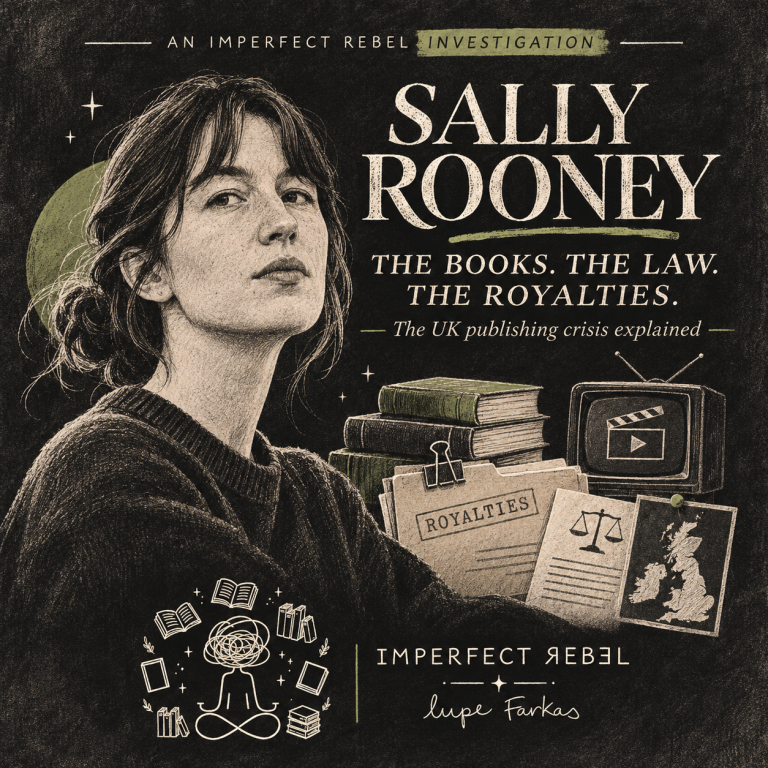
Sally Rooney Update: Irish Writers’ Union Backs Author as Supreme Court Judgment Remains Pending
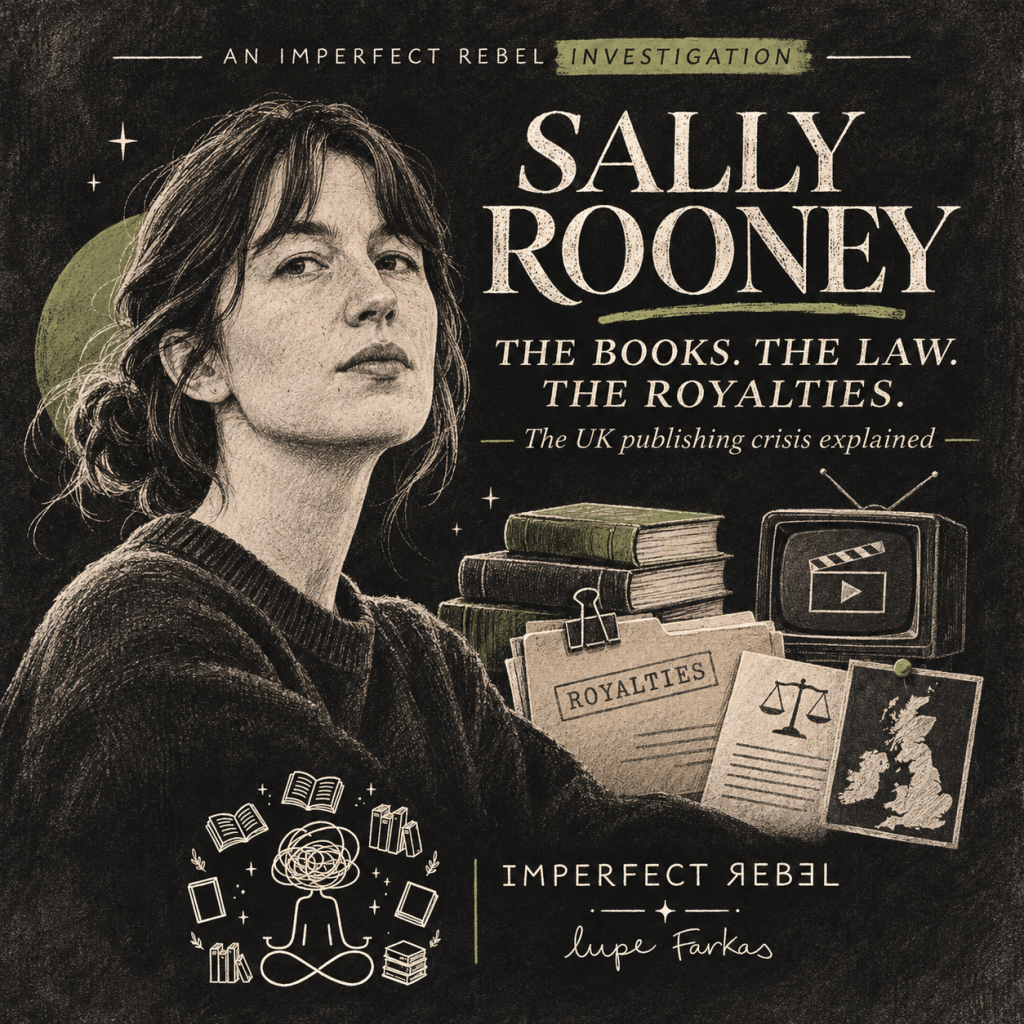
Sally Rooney Update: Irish Writers’ Union Backs Author as Supreme Court Judgment Remains Pending
Two weeks after the Palestine Action appeal was heard, Sally Rooney has received new support from Ireland’s writers’ union. Her UK publishing situation remains unresolved.
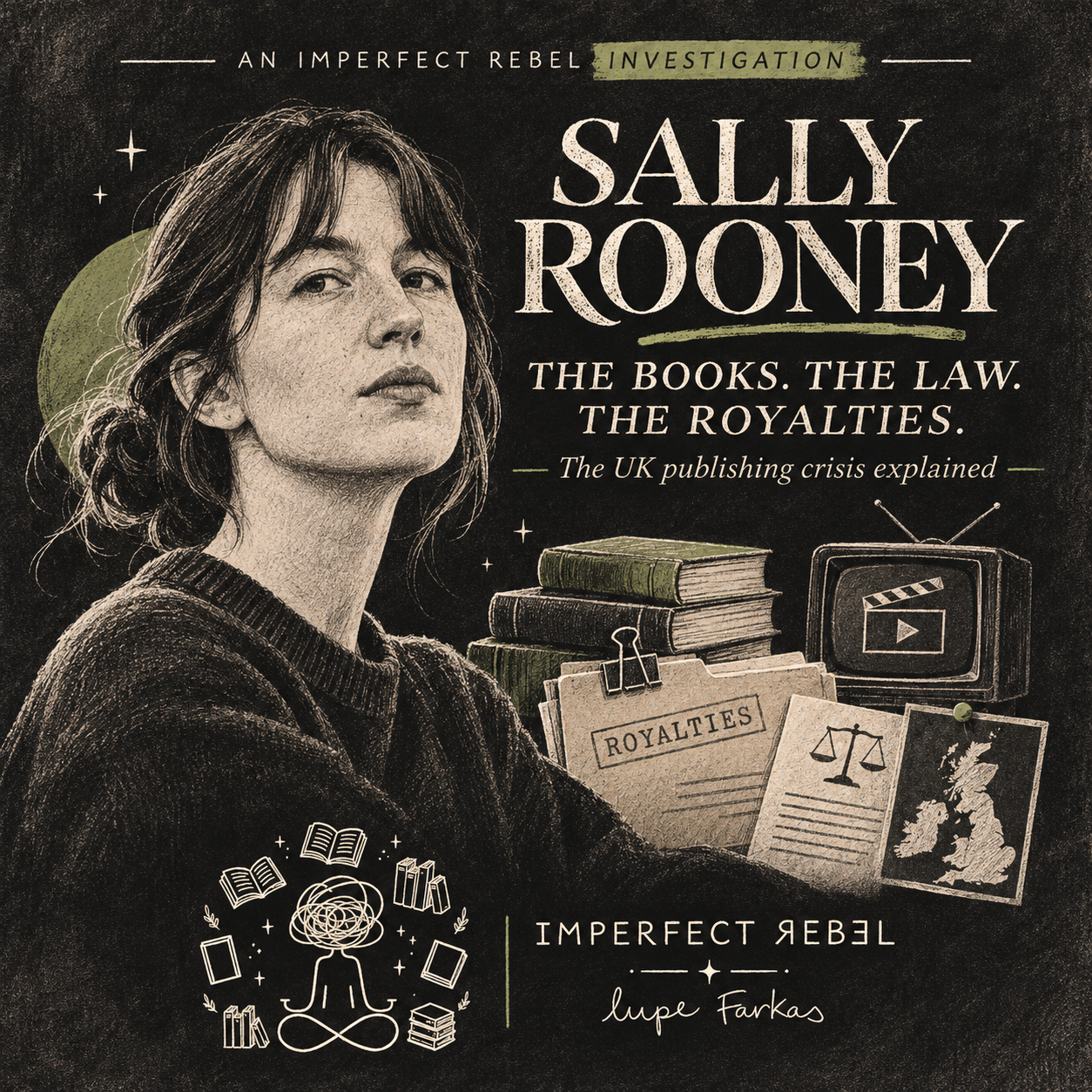
Nearly a fortnight has passed since the UK Supreme Court concluded its hearing on the proscription of Palestine Action. For Sally Rooney, author of Normal People, Conversations with Friends, and Intermezzo, the questions surrounding British book distribution and royalties remain unresolved. Since our last court update on 5 November, however, two developments have brought the consequences for writers and literary institutions back into focus.
Irish Writers’ Union expresses support for Sally Rooney
On 10 November, Irish media reported a statement from the Irish Writers’ Union expressing solidarity with Rooney as she faces the loss of income from British sales of her work. Drawing on its history of opposition to censorship in Ireland, the union argued that remuneration for a writer’s creative work should not depend on abandoning her publicly expressed political position. It also praised Rooney’s willingness to accept the financial consequences of maintaining that position.
The intervention adds the voice of a professional writers’ organisation to the wider literary debate. Its statement is an expression of solidarity, rather than a change to British law or an announcement that royalty payments have resumed.
New questions over authors’ freedom of expression
Reporting published on 16 November by The Guardian and Hackney Citizen revealed correspondence concerning a Tribune magazine launch held in London on 4 November. Swedish author Andreas Malm and Palestine Action co-founder Huda Ammori appeared remotely at the event.
Home Office officials raised concerns with Hackney Council that the gathering might contravene terrorism legislation. The event ultimately proceeded following the intervention of local mayor Zoë Garbett. The Home Office denied seeking its cancellation, maintaining that the council was responsible for the decision. Malm referred to Rooney’s situation in his subsequent criticism of the government’s approach.
Although the incident is separate from Rooney’s publishing arrangements, it raises related questions about how institutions interpret legal obligations when writers and speakers are associated with controversial political causes.
Can you buy Sally Rooney’s books in the UK now?
Faber’s statement of 14 October remains the latest relevant publisher announcement I could verify. The publisher said that UK legislation prevented it from passing British earnings to Rooney, and it therefore decided, with her agreement, to stop supplying her works in the UK across formats. Faber confirmed that publication and sales in other territories would continue.
This distribution decision is distinct from a legal prohibition on readers owning or reading her novels. Existing stock, second-hand copies, and international distribution are separate questions. No fresh announcement confirming restored UK supply has been identified, and there is no verified new information establishing a change to payments relating to her television adaptations.
When will the Supreme Court deliver its Palestine Action judgment?
The official case record for R (Ammori) v Secretary of State for the Home Department confirms that the hearing took place on 4–5 November. As of 18 November, the case is awaiting judgment. The appeal addresses the legality of the proscription, including its compatibility with rights protected by the European Convention on Human Rights. The government defends the proscription on security grounds, while the appellant challenges its legality.
A ruling on the group’s designation could affect the legal circumstances behind the publishing dispute, but it would not automatically settle Rooney’s individual contractual arrangements. Any change to distribution or payments will require separate confirmation.
Why the literary world is still watching
For writers, publishers, booksellers, and readers, the implications extend beyond a single author’s catalogue. The case asks difficult questions about freedom of expression, financial obligations, and the scope of counterterrorism law. I will continue following the court record and verified developments in the publishing industry as this story unfolds.
Sources and further reading
- UK Supreme Court — official case record, UKSC/2026/0099 (checked 18 November 2026)
- The Journal — Irish Writers’ Union statement (10 November 2026)
- Midwest Radio — Irish Writers’ Union solidarity statement (10 November 2026)
- The Guardian — Home Office correspondence concerning Andreas Malm (16 November 2026)
- Hackney Citizen — local reporting on the Tribune event (16 November 2026)
- Faber — official publisher statement (14 October 2026)
Follow the Sally Rooney investigation
More from Lupe Farkas
- Explore all my books — novels and stories in multiple languages.
- Read The Chosen — my gothic dark fantasy serial and its complete chapter archive.
- Before October Ends: A Life for a Life — discover the novel and its editions.
- The Indie Author Experiment: October recap — behind the scenes of writing and independent publishing.
- Book reviews and ARC reading — my latest literary coverage.
Buy me a Coke Zero 🥤 — a little support for the books, research, and independent reporting.