Sally Rooney, Palestine Action and the Supreme Court: Why Every Author Should Pay Attention
Sally Rooney, Palestine Action and the Supreme Court: Why Every Author Should Pay Attention
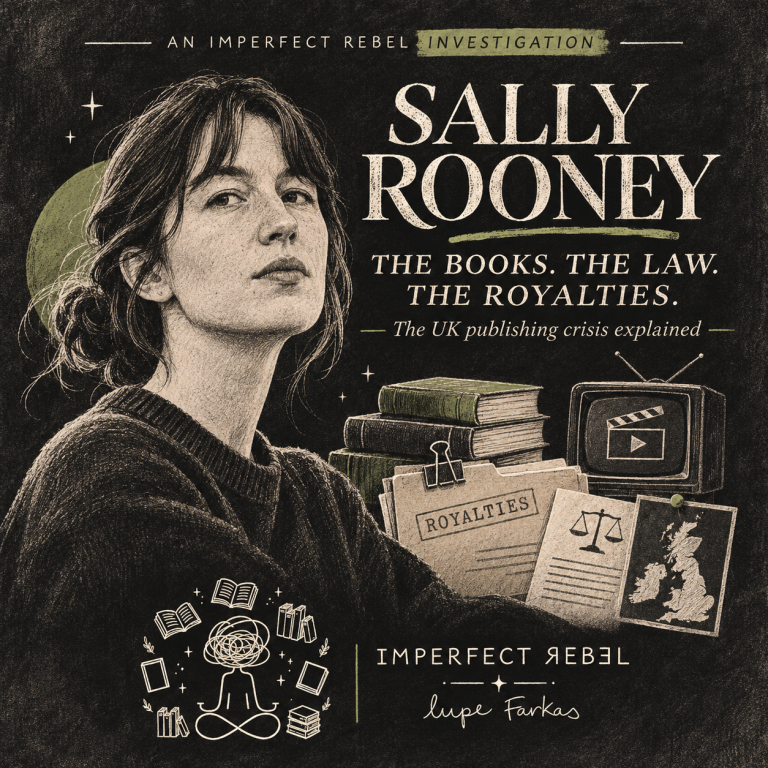
The Supreme Court has begun hearing the Palestine Action appeal, and literary organisations have entered the proceedings. What does this mean for Sally Rooney, freedom of expression and independent authors?
Developing story: This is a report on hearing proceedings, not a final Supreme Court ruling. Read our November 2 investigation and full timeline.
What happened at the Supreme Court?
On 4 November 2026, the UK Supreme Court began hearing Huda Ammori’s appeal concerning the government’s proscription of Palestine Action under the Terrorism Act 2000. The central issue before the justices is whether the designation is compatible with Articles 10 and 11 of the European Convention on Human Rights, protecting freedom of expression and assembly and association.
Ammori’s lawyers argue that the designation is disproportionate. The government maintains that the measure is lawful and justified by serious conduct, including property damage. Reuters reported arguments about how many of the organisation’s actions met the statutory definition of terrorism. These are competing submissions, not findings by the Supreme Court.
The hearing is scheduled for 4–5 November. The afternoon of 5 November will be private and will not be livestreamed. No final judgment has been delivered, and no judgment date has been announced.
Why writers’ organisations are intervening
English PEN and PEN International confirmed on 4 November that they had been granted permission to intervene. Their written case asks the court to consider how proscription affects journalists, writers, researchers and artists who report on, discuss, study or creatively depict a proscribed organisation.
Their intervention raises an essential literary question: can restrictions on an organisation have a chilling effect on the people who examine and write about it? PEN argues that the public’s right to receive information and creative work is also relevant.
Where Sally Rooney and Faber stand
In its 14 October statement, Faber & Faber said UK legislation had created circumstances in which it could not pass UK earnings to Sally Rooney. With her agreement, Faber stopped supplying her works in the UK in any format, while continuing sales in other territories.
That is a restriction on new supply by Faber; it should not be confused with a judicial order banning readers from possessing Rooney’s books. Existing retailer stock may still be available. Rooney had previously pledged to use earnings from books and television adaptations to support Palestine Action.
There is no verified new announcement as of this report resolving her UK book royalties or establishing the precise contractual status of royalties from the Normal People and Conversations with Friends television adaptations. The Supreme Court is not deciding Rooney’s individual publishing or TV contracts.
If this can happen to Sally Rooney, what about independent authors?
Writers have always participated in the uncomfortable conversations of their time. Artists have challenged governments, questioned institutions, confronted injustice and given voices to people who struggled to be heard. Some were celebrated; others were condemned. History has a habit of changing its mind about which was which.
Sally Rooney has an international readership and a major publishing house. Indie authors often work without those resources. We publish books about politics, religion, inequality, sexuality and history. We take positions, disagree with institutions and sometimes make readers uncomfortable.
Should a novelist have to calculate the potential legal and financial consequences of every public opinion? Should a writer worry that a political statement today might affect tomorrow’s royalties? What happens to literature when authors begin avoiding difficult subjects out of fear?
There are important legal distinctions between expressing a view, supporting an organisation and providing prohibited financial assistance. Freedom of expression has legal boundaries, and criticism or disagreement is not automatically censorship. The precise legal questions in this case deserve careful scrutiny.
Still, the larger question matters for everyone who writes: if we begin choosing our words out of fear, who gets to decide which stories will never be told?
What happens next?
The Supreme Court hearing is scheduled to finish on 5 November, with judgment to follow on an as-yet-unannounced date. We will watch the court’s published decision, Faber’s position on UK supply and any confirmed developments regarding Rooney’s earnings.
Authors, publishers and readers: have you ever worried that your beliefs might affect your publishing opportunities or livelihood? What do you think?
[…] 4 November — Why every author should pay attention […]